Cash Forecasting Automation: Guide for Finance Teams
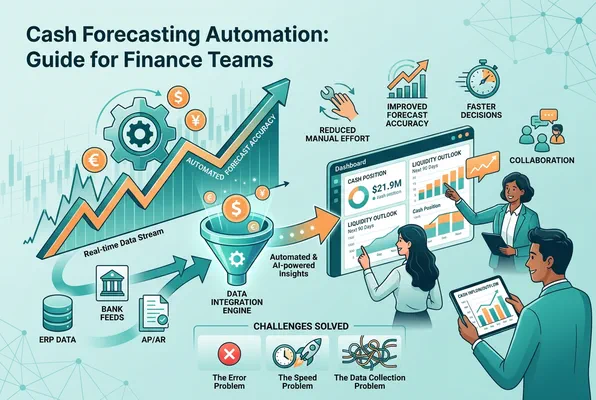

Cash sitting idle in low-yield accounts, surprise overdrafts, missed investment windows — these are the real costs of poor cash visibility. For finance teams still relying on spreadsheets, the problem is not effort; it is the fundamental limitation of manual processes in a world that moves faster than a weekly update cycle.
Cash forecasting automation addresses this directly. By replacing error-prone manual data collection with intelligent, connected systems, finance teams gain a live, accurate view of their liquidity position — enabling smarter decisions, lower risk, and more strategic treasury management.
This guide covers everything you need to know: what cash forecasting automation is, how it works, which technologies power it, and how to evaluate solutions for your organization.
What Is Cash Forecasting Automation?
Cash forecasting automation refers to the use of software tools, data integrations, and analytical algorithms, including artificial intelligence and machine learning, to automatically collect, consolidate, and project a company’s future cash positions.
Rather than requiring treasury analysts to manually pull data from bank portals, ERP systems, and accounts receivable ledgers into a spreadsheet, an automated system does this continuously and in real time. The output is a dynamic, rolling forecast that reflects the actual state of the business at any given moment.
The Core Components of an Automated Forecast
A well-designed cash forecasting automation system typically combines several layers:
- Data ingestion: Automatic feeds from bank accounts (via APIs or SWIFT), ERP and accounting systems, payment processors, and receivables platforms
- Data normalization: Mapping transactions and categories consistently across entities, currencies, and systems
- Forecasting engine: Statistical models, machine learning algorithms, or hybrid approaches that project cash inflows and outflows over defined horizons
- Scenario modeling: The ability to run what-if analysis. For example, modeling the impact of a key customer paying 15 days late
- Reporting and alerts: Dashboards, exportable reports, and automated notifications when liquidity thresholds are breached
Why Manual Cash Forecasting Fails at Scale
To appreciate the value of automation, it helps to understand where manual processes break down. Not because teams are not diligent, but because spreadsheets were never designed for the demands of modern treasury management.
The Data Collection Problem
A mid-sized company with five bank accounts, two subsidiaries, and a mix of domestic and international payments might require a treasury analyst to log into multiple banking portals, download statements, reformat data, and consolidate it into a master file, just to produce a single daily snapshot. That process can take hours. By the time the forecast is complete, the underlying data has changed.
The Error Problem
Research consistently shows that a significant percentage of spreadsheets used in business contain errors. In cash forecasting, a single mislinked formula or transposed figure can cascade into materially wrong liquidity projections. The consequences range from unnecessary borrowing costs to missed investment opportunities or, in the worst case, a liquidity shortfall that surprises the CFO.
The Collaboration Problem
When the cash forecast lives in one person’s spreadsheet, knowledge becomes siloed. If that analyst is on leave, the process breaks. Version control becomes a source of confusion rather than confidence. Audit trails are weak or nonexistent.
The Speed Problem
Business conditions change. Customers pay early or late. Large unexpected expenses arise. In a manual environment, updating the forecast to reflect these changes requires a fresh cycle of data collection, entry, and verification. Automated systems update continuously.
How Cash Forecasting Automation Works in Practice
Understanding the mechanics helps treasury teams ask better questions when evaluating solutions and set realistic expectations for what automation can deliver.
Step 1: Connecting Your Data Sources
The foundation of any automated forecast is reliable, timely data. Modern cash forecasting platforms connect to:
- Bank accounts via direct API connections, host-to-host integrations, or SWIFT connectivity
- ERP systems such as SAP, Oracle, Microsoft Dynamics, or NetSuite, pulling invoice data, payment runs, and general ledger entries
- Accounts receivable and payable systems to incorporate expected inflows and outflows not yet reflected in bank activity
- Payment platforms including card processing, payroll systems, and expense management tools
The quality of your automated forecast is directly proportional to the completeness and accuracy of these data connections. This is why implementation projects spend significant time on data mapping and validation.
Step 2: Categorizing and Normalizing Cash Flows
Raw transaction data arrives in many formats, currencies, and categorization schemes. Automation platforms apply rules — and increasingly, machine learning — to classify transactions consistently. A payment from a major customer in EUR needs to be recognized as operating revenue inflow and mapped to the correct entity, regardless of how the bank labels the transaction.
This normalization step is what makes multi-entity and multi-currency forecasting tractable at scale.
Step 3: Applying Forecasting Models
With clean, categorized data flowing in, the forecasting engine applies models to project future cash flows. These models vary in sophistication:
Rule-based forecasting applies known patterns — payroll runs on the 25th, rent is due on the 1st, quarterly tax payments follow a defined schedule. These are highly reliable for recurring, predictable flows.
Statistical forecasting uses historical data to identify patterns and project them forward. Seasonal trends in receivables, typical debtor payment behavior, and regular vendor payment cycles can all be modeled statistically.
Machine learning forecasting goes further, identifying non-obvious patterns across large datasets and adapting over time as the business changes. ML models can factor in variables like invoice age, customer payment history, and macroeconomic indicators to produce probability-weighted cash flow projections.
Hybrid approaches — combining rule-based logic for known commitments with statistical or ML models for uncertain flows — often produce the most accurate results in practice.
Forecasting with AI: How Modern Systems Improve Accuracy
As treasury operations become more complex, forecasting with AI is emerging as a critical capability for organizations seeking more accurate cash flow predictions. Traditional cash flow models rely heavily on historical averages and manual assumptions, while AI-powered cash forecasting software continuously analyzes cash data, customer payment behavior, seasonal trends, and external variables to improve accuracy over time.
Modern forecasting solutions use advanced automation technology to predict cash flow with greater precision, helping finance teams identify potential cash shortfalls before they occur. By combining automation tools with machine learning algorithms, organizations can generate more accurate cash forecasts across multiple entities and currencies. This enables better cash and liquidity management, strengthens decision-making, and provides a more reliable financial forecast for both operational and strategic planning.
Step 4: Generating Forecasts Across Time Horizons
Effective cash management requires visibility at different horizons:
- Short-term (0–30 days): High precision, driven primarily by confirmed bank positions, committed payments, and near-term receivables. Critical for daily liquidity management and bank account funding decisions.
- Medium-term (1–3 months): Blends confirmed data with projected patterns. Used for working capital optimization and short-term investment decisions.
- Long-term (3–12+ months): More directional, drawing on budget assumptions and trend analysis. Informs financing strategy, covenant compliance monitoring, and strategic planning.
A sophisticated cash forecasting automation platform supports all three horizons within a single, consistent system: Eliminating the fragmentation that occurs when teams use different tools for different time frames.
Step 5: Scenario Analysis and Stress Testing
Automated platforms allow treasury teams to model alternative scenarios quickly. What if your largest customer delays payment by 30 days? What if a planned capital expenditure is accelerated? What does the cash position look like under a pessimistic revenue scenario?
In a manual environment, each scenario requires rebuilding a portion of the spreadsheet model. In an automated system, scenarios can be created and compared in minutes, enabling faster and better-informed decision-making.
Key Benefits of Cash Forecasting Automation
The business case for automation is strong across multiple dimensions. Here are the benefits finance leaders consistently report after implementation.
Dramatically Improved Forecast Accuracy
Eliminating manual data entry removes a major source of error. Connecting to real-time data sources ensures the forecast reflects the current state of the business rather than a snapshot from yesterday’s data pull. Machine learning models improve over time as they accumulate more data. The combined effect is a step-change improvement in accuracy, often 30–70%, that directly impacts the quality of treasury decisions.
Significant Time Savings
The hours treasury teams previously spent collecting, cleaning, and consolidating data can be redirected to analysis and strategic work. Many organizations report reclaiming 10–20 hours per week of analyst time after implementing cash forecasting automation. For a lean finance function, this is transformative.
Better Liquidity Management
With accurate, real-time visibility into cash positions, treasury teams can optimize how cash is distributed across accounts, reduce idle balances, and make better decisions about short-term investments and borrowing. Even modest improvements in cash utilization, earning higher yields on short-term surpluses or reducing unnecessary revolving credit usage, can generate returns that exceed the cost of the automation platform.
Reduced Operational Risk
Automation creates consistent, auditable processes. Every data source, every transformation, and every forecast version is logged. This supports internal controls, simplifies audit processes, and reduces dependence on individual key-person knowledge.
Enhanced Strategic Capability
When the routine work of building and maintaining forecasts is automated, treasury teams can focus on what humans do best: interpreting results, challenging assumptions, engaging with business units, and advising on strategic decisions. The function evolves from data processor to genuine business partner.
Automating Cash Flow Forecasting for Real-Time Cash Visibility
One of the greatest advantages of automating cash flow forecasting is the ability to maintain a real-time cash view across the entire organization. Instead of relying on manual cash flow forecasting processes that quickly become outdated, automated tools continuously update forecasts using live bank balances, ERP transactions, and accounts receivable information.
This enhanced visibility allows finance teams to calculate cash positions more accurately, monitor daily cash movements, and accelerate cash allocation decisions. Whether managing global cash across multiple regions or optimizing short-term liquidity, businesses can streamline cash flow management and react faster to changing conditions. The result is more predictable cash performance, reduced operational risk, and greater confidence in the cash forecasting process.
Evaluating Cash Forecasting Automation Solutions
The market for cash forecasting and treasury management software has expanded significantly. Choosing the right platform requires evaluating several dimensions carefully.
Integration Capabilities
The platform must connect reliably to your existing systems. Assess the depth of pre-built integrations with your ERP, the bank connectivity options available in your regions, and the API architecture for any custom integrations you might need. Poor integration quality is the most common source of implementation difficulty and ongoing frustration.
Forecasting Methodology Transparency
Understand how the system generates its forecasts. Black-box models that produce outputs without explanation make it difficult to build trust with stakeholders or diagnose accuracy problems. Look for platforms that provide transparency into forecasting assumptions and allow finance teams to overlay their judgment on model outputs.
Multi-Entity and Multi-Currency Support
If your organization operates across multiple legal entities or currencies, ensure the platform handles this natively — including intercompany transactions, FX exposure management, and consolidated group-level views alongside entity-level detail.
Ease of Use and Adoption
The best forecasting technology fails if it is too complex for the team to use confidently. Prioritize platforms with intuitive interfaces, clear visualizations, and the ability for finance team members, not just IT, to configure and maintain the system.
Scalability and Flexibility
Your business will evolve. A cash forecasting automation platform should be able to grow with you, adding entities, currencies, data sources, and forecasting models as your needs change, without requiring a new implementation project.
Security and Compliance
Cash flow data is highly sensitive. Evaluate data encryption standards, access controls, compliance with relevant regulations (GDPR, SOC 2, etc.), and the vendor’s security track record.
Choosing the Best Cash Forecasting Software for Future Growth
Selecting the best software requires more than comparing features. Organizations should evaluate forecasting capabilities, scalability, integration quality, and the ability to support evolving forecasting needs. Effective cash flow forecasting software should connect seamlessly with existing systems, automate data automation workflows, and provide transparent forecasting reports that explain how forecasts are generated.
Leading cash forecasting software platforms also support invoice to cash visibility, scenario modeling, and advanced automation for forecasting and management processes. Because forecasting requires access to accurate and timely information, the platform’s ability to consolidate inflows and outflows of cash into a single source of truth is essential. Companies that automate your cash forecasting process with the right solution can enhance cash visibility, improve operational efficiency, and build a stronger foundation for long-term treasury management and forecasting success.
Implementing Cash Forecasting Automation: A Practical Roadmap
Successful implementation is as much about process and change management as it is about technology. Here is a practical framework for finance teams approaching this for the first time.
Phase 1: Define Your Forecasting Requirements
Before selecting a platform, document what you need the forecast to do:
- What time horizons matter most for your business decisions?
- How many entities, currencies, and bank accounts are in scope?
- What are your primary cash flow categories and how are they currently classified?
- Who will use the forecast and for what decisions?
- What level of accuracy is required at each horizon?
This exercise often surfaces assumptions and inconsistencies in the current process that need to be resolved regardless of technology.
Phase 2: Assess Your Data Landscape
Automation is only as good as the data it processes. Conduct an honest assessment of:
- The completeness and quality of transaction data from your bank accounts
- The accuracy and timeliness of AR/AP data in your ERP
- Any known data gaps or quality issues that need remediation
- The feasibility of connecting each data source to the chosen platform
Phase 3: Select and Configure Your Platform
With requirements clear and data landscape understood, evaluate platforms against your specific needs. During configuration, invest time in:
- Accurate transaction categorization rules
- Validated integration mappings between source systems and the forecasting platform
- Sensible default forecast assumptions that reflect your business’s typical patterns
Phase 4: Parallel Run and Validation
Before decommissioning manual processes, run the automated system in parallel for four to eight weeks. Compare automated forecasts against actuals and against the manual forecast. Investigate material variances to understand their source — whether a data mapping issue, a forecasting model assumption, or a genuinely unpredictable business event.
This phase builds team confidence and surfaces any configuration issues before they affect live decision-making.
Phase 5: Go Live and Continuous Improvement
Once the platform has demonstrated reliable accuracy, transition fully to the automated system. Establish a regular cadence for reviewing forecast accuracy, refreshing forecasting models, and expanding the scope of automation over time. Cash forecasting automation is not a one-time project; it is an ongoing capability that improves as your team builds expertise and as the platform accumulates more data.
The Role of AI and Machine Learning in Modern Cash Forecasting
Artificial intelligence is reshaping what is possible in cash forecasting. While earlier generations of automation focused primarily on data collection and rule-based projection, contemporary platforms increasingly apply machine learning to deliver more sophisticated capabilities.
Predictive Analytics for Receivables
One of the highest-value applications is predicting when specific invoices will actually be paid — not just when they are due. By analyzing historical payment behavior of individual customers, invoice characteristics, and external signals, ML models can produce probability-weighted receivables forecasts that are materially more accurate than due-date-based projections.
Anomaly Detection
Automated systems can flag unusual patterns in cash flows — transactions that deviate significantly from historical norms, unexpected timing shifts in payment behavior, or discrepancies between forecasted and actual flows that may indicate a data quality issue or a business event worth investigating. This anomaly detection capability helps finance teams focus attention where it matters most.
Continuous Model Improvement
Unlike static spreadsheet models that must be manually recalibrated, machine learning forecasting models adapt automatically as new data arrives. If your customer payment patterns shift — for example, due to changes in your payment terms, economic conditions, or customer composition — a well-implemented ML model will detect and incorporate these shifts over time.
Natural Language and Conversational Interfaces
Emerging platforms are incorporating natural language interfaces that allow treasury professionals to query cash positions, generate scenarios, and explore data through conversational prompts rather than navigating complex dashboards. While still maturing, this capability is already reducing the barrier to deriving insight from forecasting systems.
Cash Forecasting Automation and the CFO Agenda
Cash forecasting automation is not purely a treasury efficiency play. It connects directly to the priorities most CFOs are managing today.
Working capital optimization: Accurate forecasting enables more precise timing of supplier payments, supports dynamic discounting decisions, and reduces the need for precautionary cash buffers — freeing working capital for higher-value uses.
Debt and banking relationship management: Lenders and banking partners increasingly expect treasury teams to demonstrate sophisticated cash management capabilities. Automated forecasting supports covenant monitoring, improves the quality of bank relationship conversations, and reduces the cost of credit by demonstrating strong financial controls.
Investor confidence: For publicly listed companies and those preparing for capital markets activity, demonstrating cash visibility and forecasting discipline is an important signal to investors. Boards and audit committees increasingly scrutinize treasury risk management practices.
ESG and sustainability: Efficient cash management — reducing unnecessary borrowing, optimizing investment of surplus cash — connects to the resource efficiency themes increasingly prominent in ESG frameworks.
Getting Started with Finflexia
Finflexia is designed for finance teams that are ready to move beyond spreadsheet-based forecasting without the complexity and cost of traditional enterprise treasury systems.
The platform combines real-time bank connectivity, automated data normalization, flexible forecasting models, and clear dashboards in a cloud-native environment that can be deployed rapidly and scaled as your needs grow.
Whether you are managing cash across multiple entities and currencies, looking to improve short-term liquidity visibility, or building toward a fully automated treasury function, Finflexia provides the foundation for accurate, efficient, and strategic cash management.
Finance teams that implement cash forecasting automation with Finflexia typically see meaningful improvements in forecast accuracy within the first few months, alongside significant reductions in the manual effort required to maintain the forecasting process.
Conclusion
Cash forecasting automation represents one of the highest-return investments available to modern finance functions. The combination of eliminated manual effort, improved forecast accuracy, better liquidity decisions, and reduced operational risk creates a compelling business case that stands up even under conservative assumptions.
The technology has matured to the point where implementation is faster, less costly, and less disruptive than it was even five years ago. Cloud-native platforms have removed the infrastructure barriers that once made automation the exclusive domain of large enterprises. AI and machine learning capabilities continue to advance, raising the ceiling on what automated forecasting can achieve.
For finance teams still relying on spreadsheets, the question is no longer whether to automate — it is how quickly to start. Begin with a clear assessment of your current forecasting process, identify the highest-priority gaps, and evaluate platforms against your specific requirements. The path from manual to automated forecasting is well-trodden, and the destination is genuinely transformative for treasury performance.

Written by
Dominik KonoldFounder
Dominik is the founder of Finflexia and an expert in treasury accounting, financial instrument valuation and IFRS compliance. Since 2016, he's been a certified Professional Risk Manager (PRMIA) and also lectures for the Association of Public Banks and the Academy of International Accounting. He built Finflexia to help treasury teams automate complex accounting workflows.
Related Posts
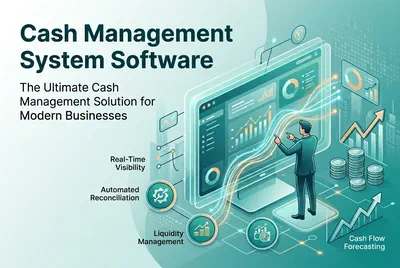
Cash Management System Software: The Ultimate Cash Management Solution for Modern Businesses
Discover how a modern cash management system improves cash flow visibility, automates reconciliation, enhances liquidity management, and helps businesses forecast cash flow with confidence.
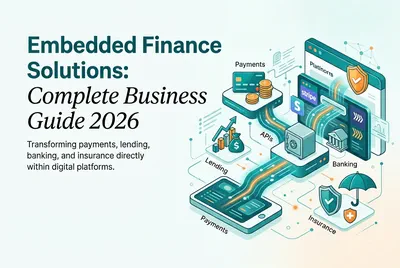
Embedded Finance Solutions: Complete Business Guide 2026
Embedded finance solutions are transforming how businesses deliver payments, lending, banking, and insurance directly within digital platforms. Discover the different types of embedded finance, key benefits, infrastructure providers like Stripe and Marqeta, and how fintech solutions are reshaping customer experience and financial services integration.
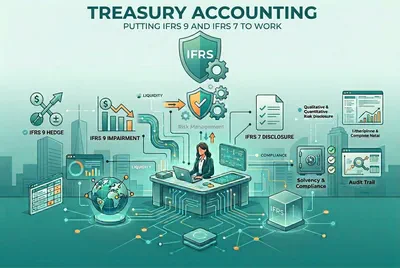
Treasury Accounting: The Complete Guide for Finance Professionals
Treasury accounting governs how companies manage cash, record financial instruments, and control risk exposures. This guide covers everything from daily cash positioning and debt accounting to hedge accounting under IFRS 9 and foreign exchange management — helping finance professionals build stronger, more resilient treasury functions.
Ready to simplify your treasury accounting?
See how Finflexia helps you manage financial instruments with ease. Book a demo to learn more.
Book a Demo